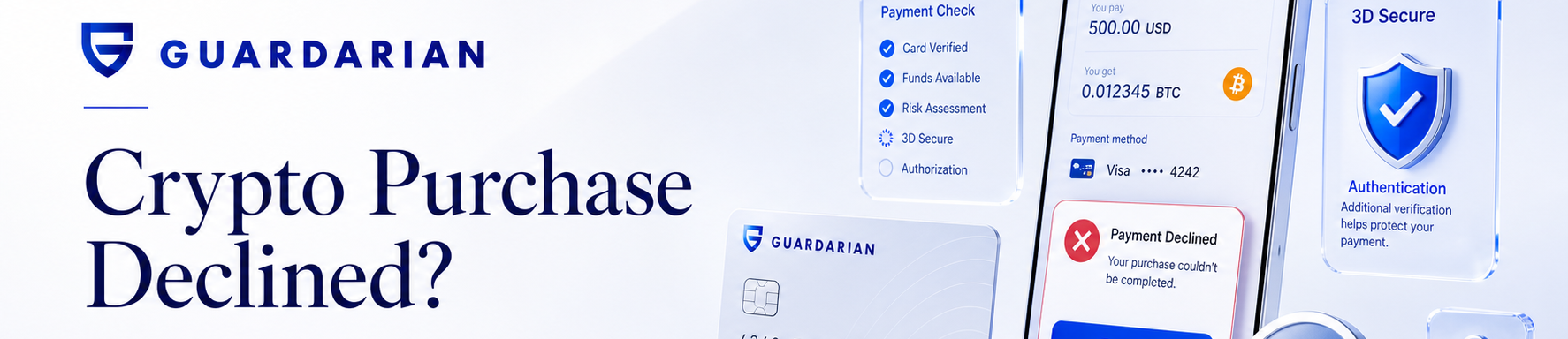




I’ve been in fintech long enough to have seen multiple cycles, and one thing that never changes: every crypto buyer or seller eventually stares at a loading screen asking, “How long does this actually take?” The honest answer is — it depends. But here’s the thing: it’s not random. There are real, predictable factors that determine whether your transaction finishes in minutes or stretches into hours.
A question like “how long does it take?” almost never has a single answer in crypto, and anyone who gives you a flat number is skipping the parts that actually matter. This isn’t a lecture. It’s a practical breakdown of what speeds things up, what slows them down, and what’s realistic to expect on each side of the trade.
Key Takeaways:
- Payment method is the single biggest timing factor. Cards, Apple Pay, and Google Pay authorize in seconds. Bank transfers (SEPA, ACH) add hours because they settle on banking schedules.
- Crypto-to-fiat selling is a two-step process. The blockchain must confirm your crypto first, then the fiat payout settles at your bank. The slowest step sets your real wait.
- Verification levels vary by risk. Guardarian uses a Low-KYC, risk-based flow — eligible purchases may skip unnecessary proof-of-address or selfie checks, but AML, payment, device, wallet, and repeated-order screening still run where needed.
- Network congestion is unpredictable. When a blockchain is busy, confirmations slow down and fees spike. This is a property of the network itself, not the provider.
- The final quote is shown before you confirm. You can always see the trade-off between speed and cost before committing.
Important: exact processing times vary by payment method, asset, network conditions, provider, and region. What follows are general patterns based on how the system works, not guarantees.
There are two different timers running, and people mix them up:
- Buying crypto with fiat: the clock covers payment authorization, any verification checks, the provider sourcing your crypto, and the blockchain confirming the transfer to your wallet.
- Selling crypto for fiat: the clock covers your crypto reaching the provider with enough network confirmations, then the fiat payout being sent, and your bank settling it.
In practice, card-based purchases are typically the quickest path, while bank transfers add settlement time on the fiat side. Selling back to fiat usually has two stages: the crypto confirmation, then the bank payout. Each stage has its own pace, and the slowest one sets your real wait.
What Determines Buying Time
When you buy crypto with fiat, several things happen in sequence. Any one of them can be the bottleneck. Understanding the sequence helps explain why timing feels unpredictable.
Payment Method
This is usually the biggest factor. I’ve watched people blame the platform when the real issue is always the payment rail.
- Cards (credit/debit), Apple Pay, Google Pay: these authorize quickly, so the fiat side rarely holds you up. Most of the remaining wait is for the blockchain confirmation. If you’re looking for a straightforward way to buy crypto with a card, these methods are usually the fastest starting point.
- Bank transfers (SEPA, ACH, and similar rails): these are reliable but settle on banking-system schedules, which can add hours or, for some transfers, longer. The crypto side may be ready before the money fully clears.
Faster payment doesn’t always mean cheaper, and the right method depends on what you value — speed or cost. The final quote is shown before you confirm, so you can see the trade-off up front.
How long it actually takes: Card purchases typically complete within 5–15 minutes (mostly blockchain time). Bank transfers can take 1–3 business days, depending on your region and the rail used.
Verification (When It Applies)
Guardarian uses a Low-KYC, risk-based flow for eligible purchases. This means some users complete a lighter checkout without unnecessary proof-of-address or selfie/liveness checks, while AML, payment, device, wallet, and repeated-order screening may still run in the background.
What this means for timing:
- Eligible, lower-risk orders may move through with fewer visible steps.
- Additional verification can be requested depending on order amount, payment method, country, device or IP signals, wallet risk, repeated activity, or local regulatory requirements.
- If extra checks are triggered, they add time — that’s the trade-off for keeping payments compliant and accounts protected.
Not every user or transaction qualifies for the same verification route, so two people buying the same coin can have slightly different experiences. This is one of the main reasons why someone’s transaction might take 2 minutes while another person’s on the same platform takes 20 minutes.
The Blockchain Network
Once payment clears and the crypto is sent to your wallet, the network has to confirm it. This is where the asset itself matters.
| Network factor | Effect on timing |
|---|---|
| Network speed | Faster chains confirm in seconds; slower ones take minutes |
| Network congestion | Heavy traffic can delay confirmations and raise gas fees |
| Confirmation requirements | Some assets need several confirmations before funds are usable |
A coin on a fast network behaves very differently from one on a busier chain during peak demand. Bitcoin, for example, has block times of around 10 minutes. Ethereum is faster at ~12–15 seconds, but can face congestion — and that congestion directly affects network fees and gas, which can add cost to your transaction. XRP settles in 3–5 seconds. This is the reason why “how long does it take to sell bitcoin” is a different question than “how long does it take to sell XRP” — the networks themselves have different speeds.
Network conditions are outside any provider’s control — they’re a property of the blockchain itself.
Provider Processing
Between payment and the on-chain send, the provider sources your crypto and prepares the transfer. Under normal conditions this is quick, but it’s a real step in the chain, and it’s where rate type (fixed vs. standard) and current market conditions can play a small role.
What Determines Selling Time
Selling crypto for fiat reverses the flow, and the timing logic changes. This is where most confusion happens.
Network Confirmation First
When you send crypto to sell, the provider usually waits for enough network confirmations before processing the payout. So the same network factors above — speed, congestion, confirmation count — apply at the very start. If the chain is busy, your payout doesn’t even begin until your transaction is confirmed.
This is the answer to “how long does it take to sell bitcoin” or “how long does it take to sell crypto” for the first stage: however long the network takes, plus however many confirmations the provider requires.
Then the Fiat Payout
Once the crypto is confirmed, the fiat side begins:
- Card payouts / instant rails: generally faster to reach you.
- Bank transfers: depend on banking settlement times, which follow business hours and rail-specific schedules in your region. For readers in Europe, understanding how SEPA and bank transfer payouts work can help you plan around potential delays.
So a sale can look “done” on the crypto side while the money is still settling at your bank. That gap is normal and is set by the banking system, not the crypto.
Verification on the Way Out
The same risk-based checks can apply when converting crypto back to fiat. Larger amounts, new payout methods, or risk signals may prompt additional verification, which adds time when triggered.
A Realistic Walkthrough
Say you want to buy a popular asset with Apple Pay:
- You enter the amount and see the final quote before confirming.
- Payment is authorized quickly.
- If your order is eligible and low-risk, checkout stays light; if a risk signal appears, you may be asked for an extra step.
- The provider sends the crypto, and the network confirms it to your wallet.
In a calm network with a fast asset and an eligible order, the whole thing feels close to immediate. Swap in a bank transfer, a congested network, or a triggered verification, and the same purchase legitimately takes longer. Nothing went wrong — you just hit one of the slower stages.
Selling works the same way in reverse: confirmation first, payout second, with your bank’s settlement schedule often being the final wait.
Why Estimates Aren’t Promises
Crypto timing has moving parts that no provider fully controls — network congestion, your bank’s settlement hours, and whether your specific order triggers extra checks. A good estimate accounts for all of that instead of pretending every transaction is instant. When timing matters to you, the practical move is to check the payment method and asset before you confirm, since those are the two levers most in your control.
How Guardarian Fits In
Guardarian supports multiple payment methods and assets, shows the final quote before you confirm, and uses a Low-KYC, risk-based flow so eligible purchases can move through a lighter checkout while screening still runs where needed. If processing speed is your priority, comparing available payment methods at checkout is the clearest way to see your options for a given asset.
Expert’s Conclusion
After years of working in fintech and crypto payments, one thing has become clear: timing in fiat-to-crypto flows isn’t random. It’s a chain of predictable steps, and the slowest link always dictates the wait. You can’t control the blockchain’s congestion or your bank’s settlement hours, but you can control two things: the payment method you choose and the asset you’re moving. Pick a fast rail like a card or Apple Pay, pair it with a network that matches your urgency, and you’ll almost always see results in minutes. Need more control over cost? Bank transfers work fine when you’re planning ahead.
Guardarian’s approach reflects this reality. We don’t pretend timing is instant or identical for everyone. Instead, we show you the final quote upfront, run lightweight verification only when risk signals appear, and let the network do what it does best. If you want to see how it looks for your specific asset and payment method, the comparison at checkout takes about ten seconds—and it’ll save you hours of wondering why your funds haven’t arrived yet.
Disclaimer: This content is for informational purposes only and is not financial advice.
FAQ
How long does it take to buy crypto with a card?
Card payments usually authorize quickly, so most of the wait is the blockchain confirming the transfer to your wallet. In practice, card-based crypto purchases are complete within 5–15 minutes under normal network conditions. Exact time depends on the asset, network congestion, and whether any verification is triggered.
Why is my bank transfer purchase slower than a card purchase?
Bank transfers settle on banking-system schedules, which can add time depending on the rail and your region. The crypto side may be ready before the funds fully clear. Typical bank transfer processing can take 1–3 business days.
Why does selling crypto sometimes take longer to reach my bank?
Selling has two stages: the network confirming your crypto, then the fiat payout settling at your bank. Bank payouts follow business hours and settlement schedules, so the money can arrive after the crypto side already looks complete. This is the reason “how long does it take to sell crypto” often feels longer than “how long does it take to buy crypto.”
Can verification slow down my transaction?
Yes. If a risk signal appears — based on order amount, payment method, region, device signals, or other factors — additional verification may be requested, which adds time. Many eligible, lower-risk orders don’t see extra steps. This is part of the Low-KYC, risk-based flow that Guardarian uses.
Does the type of cryptocurrency affect speed?
Yes. Different networks confirm at different speeds, and congestion can slow confirmations and raise fees. A fast chain behaves very differently from a busy one during peak demand. For example, Bitcoin has ~10 minute block times, Ethereum is ~12–15 seconds, and XRP settles in 3–5 seconds. Network confirmation time directly affects “how long does Bitcoin take to send” versus other coins.