



Let’s be real: jumping into the world of cryptocurrency can be overwhelming. With all the jargon and complex concepts, it can feel like you’re stepping into a foreign country where you don’t speak the language. But don’t worry — we’re here to make it easy.
Stablecoins are one of the easiest entry points for beginners in the crypto space. Unlike volatile coins like Bitcoin, Stablecoins are designed to keep their value stable, making them ideal for those who are just starting their crypto journey.
Key Takeaways:
- What are Stablecoins: Digital currencies pegged to stable assets like the US Dollar, offering protection from crypto market volatility.
- Benefits for Beginners: Protection from price fluctuations, easy transactions, and low fees.
- Popular Stablecoins: USDT (Tether) and USDC (USD Coin) — both keep value around $1, but USDC is more transparent.
- Choosing a Stablecoin: Opt for USDC for higher transparency or USDT for wider usage.
- Network Caution: Ensure the network for buying matches the network for transferring to avoid errors.
- How to Buy on Guardarian: Simple and secure process to exchange fiat for stablecoins.
- Security: Use hardware wallets for long-term storage and enable two-factor authentication for protection.
What is a Stablecoin and how it works

Stablecoins are digital currencies that are pegged to something stable — usually a traditional asset like the US Dollar. This means their value doesn’t swing up and down like Bitcoin or Ethereum. So, while Bitcoin is out there doing rollercoaster loops, stablecoins are chilling in a hammock with a cold drink!
If you want to avoid the stomach-churning experience of seeing your crypto balance plummet by 20% overnight, stablecoins are a breath of fresh air. They provide the stability of fiat money, but with the flexibility and benefits of cryptocurrency.
They’re a smart way to dive into crypto without the constant anxiety about price fluctuations. When it comes to stability and transparency, USDC (USD Coin) might be the preferred option as it is regularly audited. On the other hand, USDT (Tether) is the more widely used stablecoin. These two are the most popular stablecoins, and they hold their value at around $1.
Deciding whether to invest in stablecoins is your choice. We don’t offer financial advice here, so it’s important to do your own research. The responsibility for any decisions you make rests with you.
Why beginners choose Stablecoins

If you’re just getting started in crypto, stablecoins offer several advantages:
- Safety from volatility:
The last thing you want when you’re new to crypto is to see your investments tank due to market fluctuations. Stablecoins give you a stable store of value that doesn’t experience the crazy ups and downs that other cryptocurrencies do. - Simple transactions:
Whether you’re transferring funds, buying crypto, or paying for goods, stablecoins make it easier with fewer complications compared to other volatile assets. - Low fees:
Compared to traditional banks and even other cryptocurrencies, stablecoins often come with lower transaction fees, especially for cross-border transactions.
Basically, they’re the anti-Bitcoin—no panic attacks every time you check your balance. This is why If you’re unsure about diving into the more volatile parts of the crypto market, starting with stablecoins is a solid move.
When to use Stablecoins: Pros & Cons
Stablecoins are a go-to for many people in the crypto world because they offer stability in a space known for its wild price swings. They’re perfect for storing value, making payments, or getting into DeFi without worrying about sudden market crashes.
For example, Stablecoins play a significant role in the DeFi ecosystem, enabling users to participate in lending, borrowing, and earning yield without the volatility of other cryptocurrencies.
However, just because they’re stable doesn’t mean they’re always the best option.
While stablecoins are an excellent tool in many situations, there are times when they might not be the most profitable or suitable choice. Like any financial tool, it’s crucial to weigh the pros and cons before jumping in.
Here’s a quick look at the main advantages and disadvantages of using stablecoins:
| Pros | Cons |
|---|---|
| Stable Value: Safe from price swings, great for holding value. | No Big Gains: No explosive growth like other crypto assets. |
| Cheap Cross-Border Payments: Faster and cheaper than banks, no currency conversion. | Centralization Risk: Some are backed by centralized entities, requiring trust. |
| Ideal for DeFi: Widely used in lending, borrowing, and earning yield. | Network Congestion: Fees can spike during busy times on networks like Ethereum. |
Compared to traditional banking, the lower transaction fees, especially for cross-border transfers, make stablecoins a cost-effective solution.
While stablecoins aim to maintain stable value, they’re not immune to price fluctuations, especially during extreme market conditions. Ultimately, the decision is yours, and in this unpredictable world of crypto, staying informed and mindful of the risks is part of the journey.
Stablecoins vs Cryptocurrencies
When comparing stablecoins to other cryptocurrencies, the main difference lies in their stability and use cases. Here’s a quick look at how they stack up against each other:
| Aspect | Stablecoins | Other Cryptocurrencies |
|---|---|---|
| Stability | Pegged to stable assets, so their value doesn’t fluctuate much. | Prices can vary a lot depending on the market. |
| Price behavior | Typically targets ~$1 (USD stablecoins); small deviations can happen | Market-driven; can move double-digit % in short periods |
| Usage | Great for stable transactions and savings. | Mostly used for investment or trading. |
| Backing | Backed by fiat or other assets. | Not backed by anything—value is determined by demand. |
| Risk | Low price risk, but may have trust issues. | High volatility, but potential for big returns. |
| Market Role | Used for safe, predictable transactions. | Used for trading, speculation, or long-term investment. |
| Best for beginners when… | You want stability, simple transfers, or to avoid fee/volatility surprises | You accept volatility for upside and want exposure to broader crypto growth |
To wrap it up, stablecoins are a great starting point for anyone new to crypto. They keep things steady, so you don’t have to stress about crazy price drops. Think of them as your crypto safety net—so you won’t lose your shirt while learning the ropes!
How to choose the best Stablecoin for beginners
When choosing a stablecoin, you should focus on a few main points. As we already mentioned, stablecoins can be backed by regular money (like US Dollars) or by other cryptocurrencies. Coins backed by regular money, like USDT and USDC, are usually more stable. Coins backed by cryptocurrencies, like DAI, are more decentralized but can be riskier because their value can change more.
You also want a stablecoin that’s widely used, like USDT or USDC, so it’s easy to find places where you can use it. Look for coins that have a steady value and are transparent about their backing, like USDC. Coins like USDT have had some questions raised about their reserves, so keep that in mind.
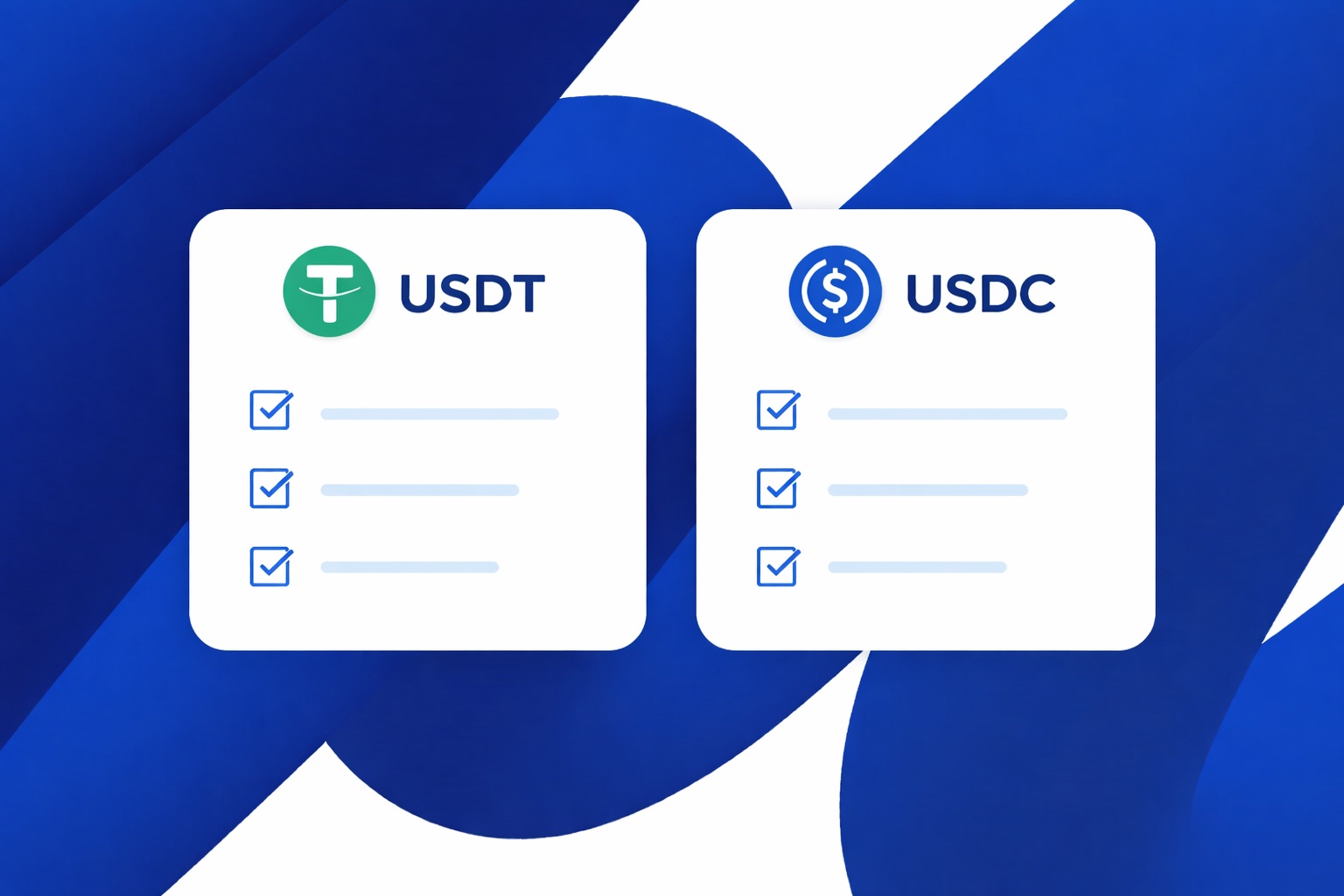
USDT vs USDC: Which one should you choose?
Now, let’s talk about the two big names in the stablecoin world: Tether (USDT) and USD Coin (USDC). Both are great options, but they have their differences:
| Feature | USDT (Tether) | USDC (USD Coin) |
|---|---|---|
| Issuer | Tether Ltd. | Circle and Coinbase |
| Regulation | Less regulated | More regulated (US-based) |
| Transparency | Controversial past | Greater transparency, audited |
| Market Capitalization | Higher (more widely used) | Lower (growing rapidly) |
If you want something easy and stable, go with USDT or USDC. If you like the idea of decentralization, DAI is a good option, but it’s a bit riskier. Just make sure to consider how easy it is to use, the cost of transactions, and how transparent the stablecoin is.
How to avoid a common mistake: Network match

A common mistake when buying stablecoins is choosing the wrong blockchain network. Stablecoins can exist on several blockchain networks, including Ethereum, Binance Smart Chain, and Tron. Each of these networks has its unique features and benefits.
If the network you buy on doesn’t match the one you’re sending to, your transaction might fail or get stuck. For example, if you buy USDC on Ethereum but send it to a BSC wallet, the coins won’t appear.
To avoid this, double-check that the network for both your purchase and transfer is the same. If you’re unsure, use a platform that automatically picks the right network for you, so you don’t have to worry about making this mistake.
Choosing the right network for Stablecoins
If you’re diving into the world of stablecoins, here’s one thing you definitely want to get right: the blockchain network. I’ve seen more than a few people trip over this, even experienced users, and trust me, it’s something that can really slow you down if you’re not careful.
So, here’s the deal. When you’re buying stablecoins, let’s say USDC or USDT, you’re probably going to see a few different network options pop up. Ethereum, Binance Smart Chain (BSC), Tron — each of them has its perks, but they don’t exactly play nice with each other.
That means if you buy your stablecoins on one network, but then try to send them to a wallet that only supports another, you’re going to run into problems. Worst-case scenario? Your coins just disappear into the ether (or get stuck in endless support chats).
It’s like buying a concert ticket for the wrong venue—except instead of missing the show, you miss your coins.
Here’s how you can avoid that:
Check the network before you buy
When you’re buying your stablecoin, make sure the network you’re using matches the one you’re sending to. This isn’t as obvious as it sounds. A few clicks in the wrong direction, and you’re sending your USDC from Ethereum to a wallet that only supports it on Binance Smart Chain. Take a second to make sure everything lines up before you hit ‘buy.’
Use platforms that handle it for you
If you’re not sure about which network to pick, use a platform that automatically takes care of it. Many exchanges and wallets do this now. It’s one less thing you have to worry about, and let’s face it, you’ve got enough on your plate as it is.
Double-check your wallet settings
This is the part where you can save yourself some time and headache. Before you send your stablecoins out, check the network your wallet is set to. If your wallet supports multiple blockchains, it’s easy to make a mistake. Don’t just assume it’s set to the right one — take a minute to verify.
Keep fees in mind
Ethereum’s fees can get pretty steep, especially when the network’s congested. If you’re looking to save a few bucks, you might want to use Binance Smart Chain or Tron. But again, make sure the network you’re buying on matches the one you’re sending to.
Don’t hesitate to ask
When in doubt, ask. Every platform has customer support, and they’re there to help. If you’re not sure which network to use, shoot them a message. It’s better than having to deal with the mess later.
One last thing — if you end up choosing the wrong network, it’s not like your crypto will just vanish. But trust me, getting it back will probably involve a lot of emails, waiting, and frustration. Avoid that if you can.
With just a bit of attention to detail, you can avoid this common mistake and save yourself a lot of time. It’s really that simple.
Understanding blockchain networks
Think of a blockchain network as a digital ledger or a public record book, but instead of being controlled by one person or company, it’s managed by thousands of computers worldwide.
When you send or receive cryptocurrency, that transaction gets added to this digital record in small chunks called blocks. These blocks are then linked together, forming a chain — hence the name blockchain.
The cool part? No single authority has control over the network. Instead, it’s decentralized, meaning many computers (called nodes) validate each transaction to make sure everything checks out. Plus, blockchain uses strong encryption to keep everything secure and transparent, so once a transaction is added, it’s nearly impossible to change.
In short, blockchain networks are what make cryptocurrencies work, ensuring transactions are fast, secure, and tamper-proof.
Key benefits of blockchain networks:
- Decentralization: No single point of control, making it more resistant to manipulation or failure.
- Security: Strong encryption and validation by multiple nodes make transactions nearly impossible to alter or hack.
- Transparency: All transactions are recorded on a public ledger, so anyone can verify them, ensuring transparency.
- Efficiency: Blockchain networks can process transactions quickly and with lower fees compared to traditional banking systems.
- Immutability: Once a transaction is added, it can’t be changed, ensuring the integrity of the system.
Best blockchain for Stablecoins
Stablecoins are cryptocurrencies pegged to stable assets like the US Dollar. They’re a reliable way to step into the world of crypto without worrying about massive price swings. The cool part? These stablecoins can exist on several different blockchain networks, each offering its own benefits. Here’s a quick breakdown of the most common and, so to say, best blockchains for Stablecoins you’ll come across:
| Network | Pros | Cons |
|---|---|---|
| Ethereum (ETH) | Highly secure, widely used, well-established. | High transaction fees, slower during busy times. |
| Binance Smart Chain (BSC) | Fast transactions, low fees, widely supported. | Less decentralized compared to Ethereum. |
| Tron (TRX) | Fast transactions, very low fees. | Less popular than Ethereum or BSC. |
| Solana (SOL) | Lightning-fast speeds, low fees, great for traders. | Newer, less widely adopted than Ethereum. |
| Avalanche (AVAX) | High speed, low cost, growing adoption. | Still a newer network, less established. |
In short, if you want faster and cheaper transactions, consider using Binance Smart Chain.
But for greater security and higher standards, Ethereum is often chosen.
Tron offers very low fees and quick transaction speeds, making it ideal for cost-effective transfers.
Solana is known for its lightning-fast transaction processing, which is perfect for traders looking to move assets quickly.
And Avalanche provides high speed and low costs with growing adoption, though it’s still newer and less established compared to Ethereum or BSC.
Where to buy Stablecoins: Everything you need
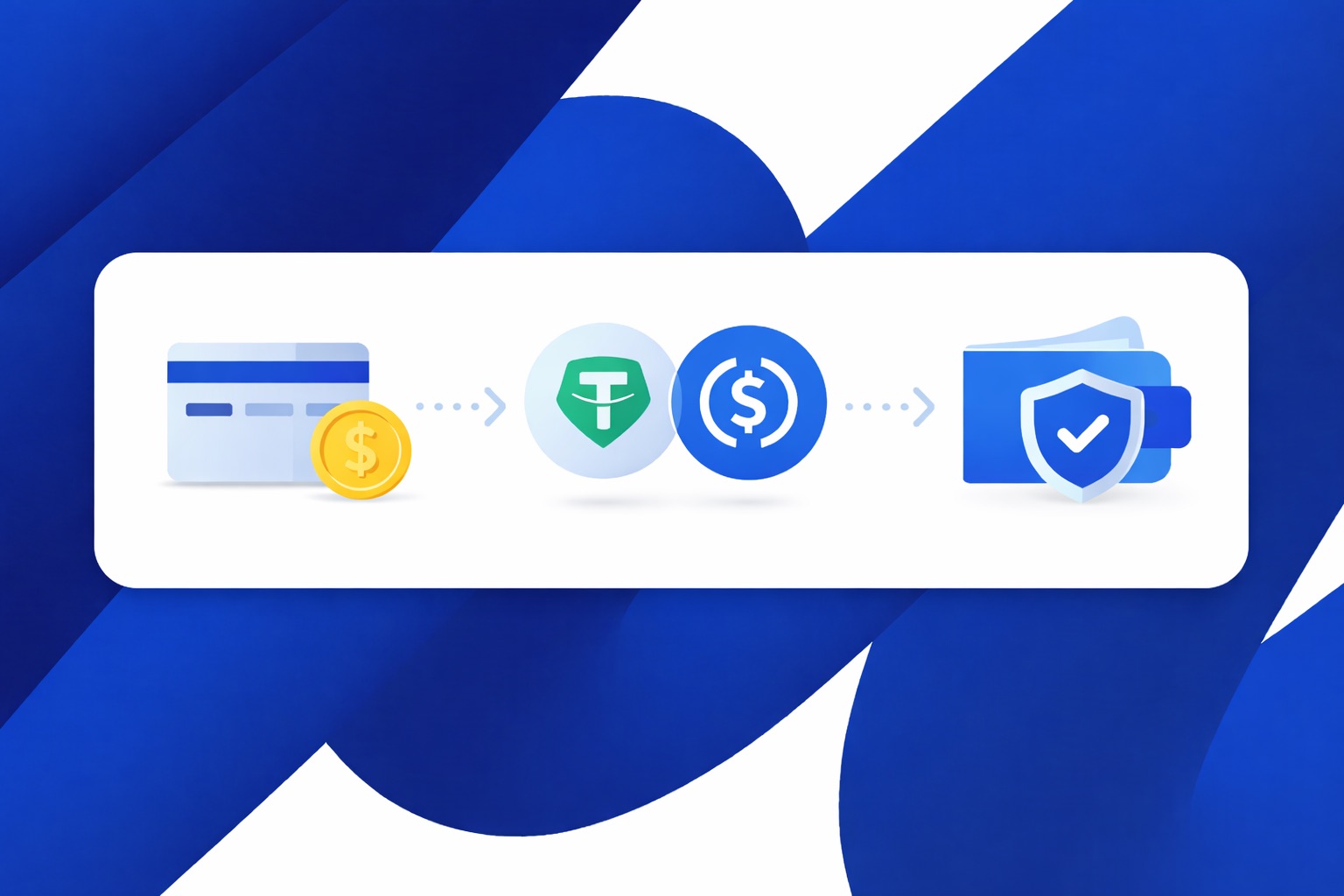
The easiest way to buy stablecoins is through a reputable exchange like Guardarian, Coinbase, Binance, or Kraken. These platforms let you buy stablecoins like USDT or USDC using your credit card or bank transfer.
Look for exchanges with strong security and low transaction fees to make sure your transactions go smoothly. And always check the network before you purchase to avoid compatibility issues.
How to buy stablecoins? With Guardarian, you can easily exchange traditional money for stablecoins like USDC or USDT.
Why choose Guardarian for Stablecoins
Guardarian is a solid choice for buying stablecoins, especially if you want a simple and secure experience. With access to over 1000 cryptocurrencies, including all the major stablecoins, Guardarian makes it easy to find what you need. Plus, it has live support, so if you run into any issues, help is just a click away.
If you’re new to crypto and want a reliable platform to buy stablecoins, Guardarian has you covered.
Best choice: On-ramp Stablecoin purchase
If you’re new to stablecoins, on-ramp services are one of the easiest ways to buy them. They let you exchange traditional money like USD or EUR directly into stablecoins, without the complexity of crypto exchanges. You just link your bank account or use a card, and you’re ready to go.
| Feature | Guardarian On-Ramp | Crypto-to-Crypto Exchanges | P2P (Peer-to-Peer) |
|---|---|---|---|
| Ease of Use | Super simple and beginner-friendly | Can be overwhelming for new users | Requires more steps and direct communication |
| Speed | Transactions are usually instant | May take a bit longer due to verification | Can vary, but generally slower |
| Payment Methods | Visa, Mastercard SEPA, local transfers Apple Pay, Google Pay PIX, SPEI, Open Banking | Сrypto (BTC, ETH, etc.) | Depends on the individual |
| Security | Secure with trusted payment due to licensed regulations | High security, but it depends on the exchange | Less secure since it’s peer-to-peer |
| Fees | Low, clear, and transparent | Can vary, especially during high traffic | Fees are set by the seller |
| Accessibility | Available to anyone with a bank account | Needs understanding of wallets and exchanges | Depends on finding a trustworthy seller |
On-ramp services are fast, with most transactions completed instantly. They’re also secure, with transparent and low fees, making them ideal for anyone looking for a quick, straightforward way to buy stablecoins.
How to buy Stablecoins on Guardarian: Step-by-step guide
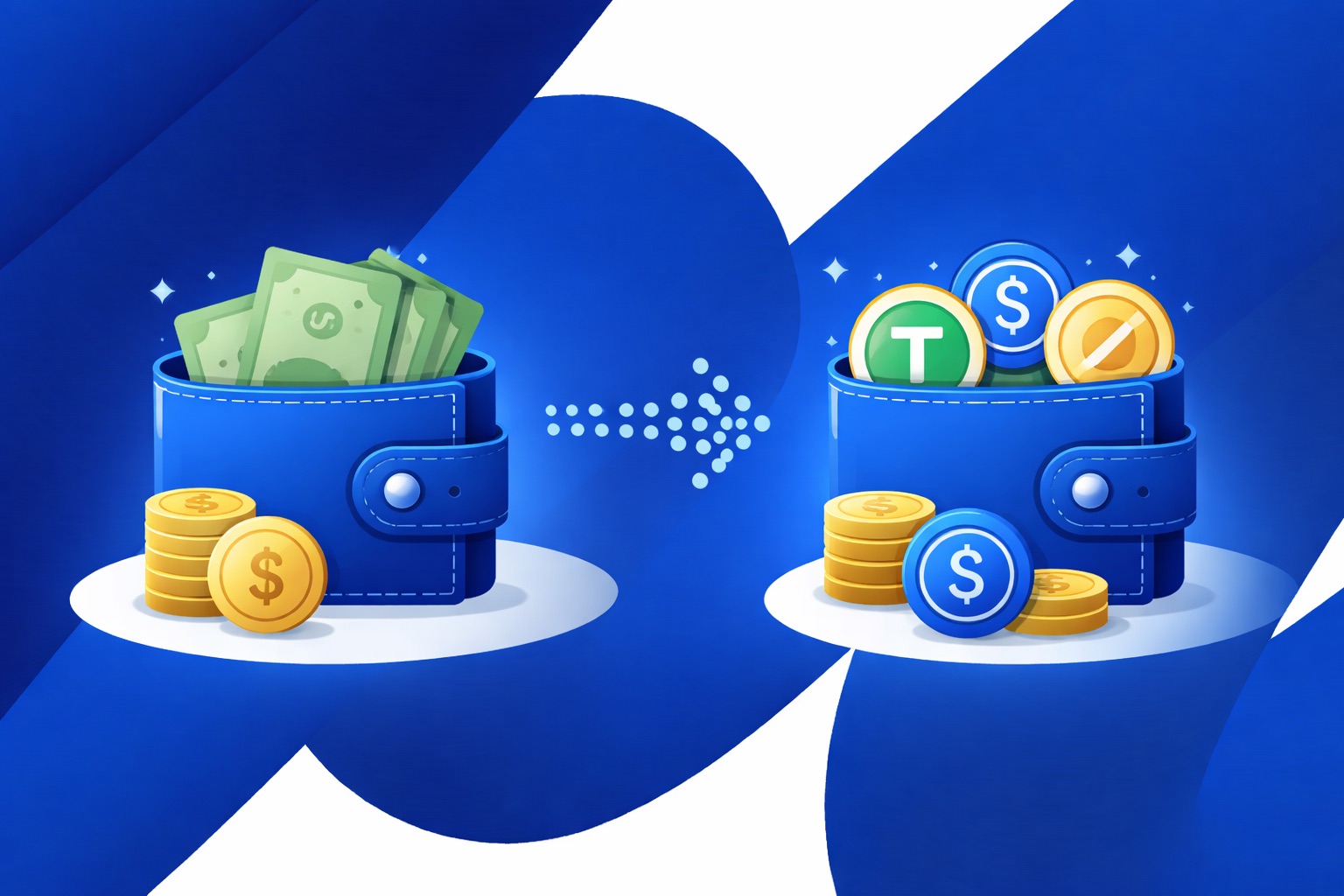
Buying stablecoins on Guardarian is simple and quick, even if you’re new to crypto. With just a few steps, you can easily exchange your traditional currency for stablecoins and start using them right away. Here’s a breakdown of everything you need to do to make the process as smooth as possible:
- Select your fiat currency (USD, EUR, etc.), the Stablecoin you want to buy, and the amount.
- Choose a desirable payment method.
- Complete a quick email verification.
- Provide your Stablecoin wallet address (make sure it’s correct!).
- Enter your billing details.
- Complete the KYC verification (if required).
- Receive your Stablecoins within minutes!
How to keep your Stablecoins safely
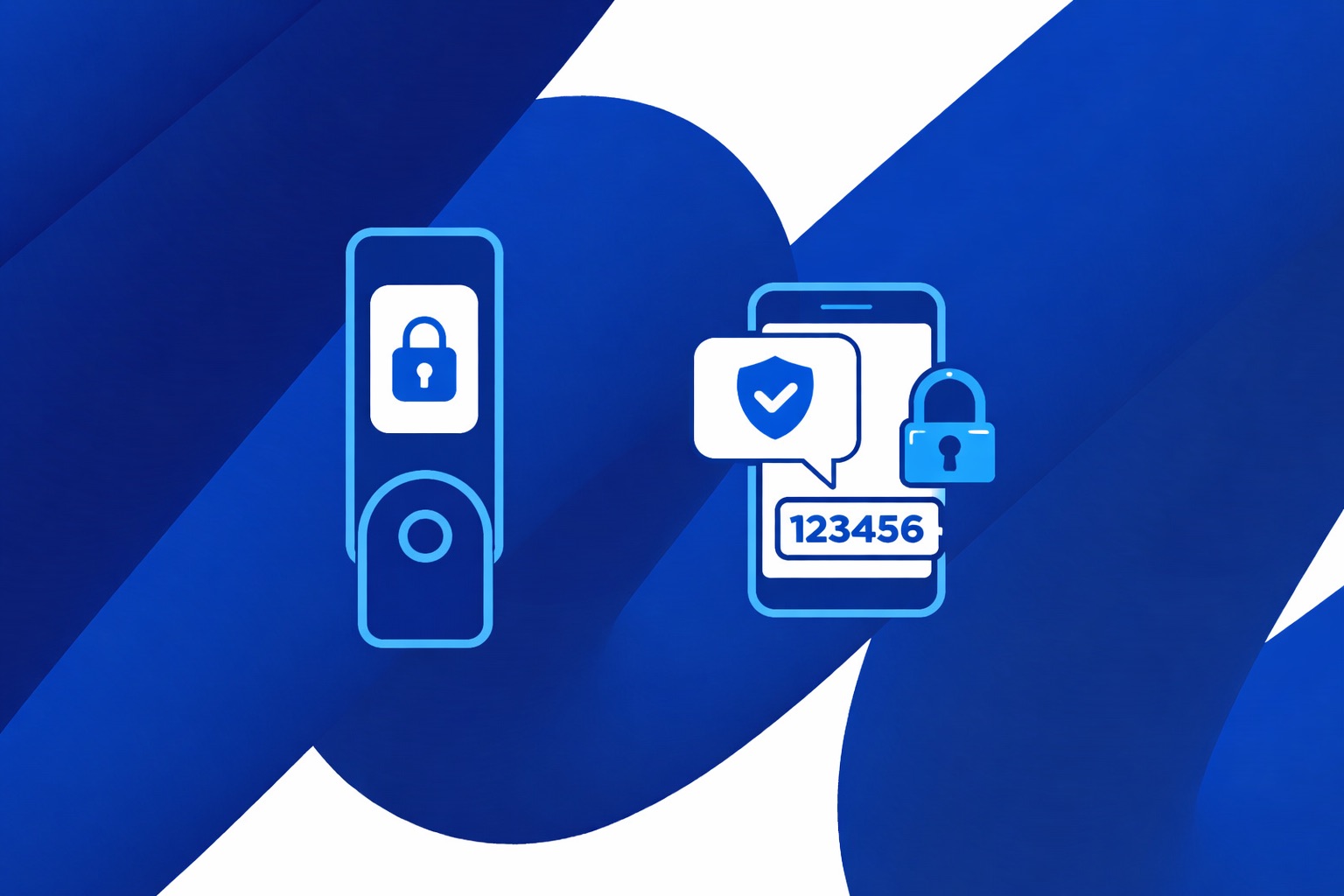
Once you’ve bought your stablecoins, it’s time to think about security. Here are some options for keeping them safe:
- Hardware Wallets: After purchasing stablecoins, it’s important to store them in a secure wallet. Hardware wallets like Ledger, Trezor, and SecuX are great for long-term storage.
- Software Wallets: If you want easy access to your stablecoins for trading or transactions, a software wallet like MetaMask is a good choice, though it’s less secure than hardware wallets.
- Exchange Wallets: For frequent traders, keeping stablecoins in an exchange wallet (e.g., Coinbase or Binance) is convenient, but remember, you’re trusting the exchange with your assets.
Troubleshooting: Common Stablecoin issues
Even though stablecoins are generally reliable, occasional issues can arise during transactions. Whether you’re sending or receiving stablecoins, it’s important to be aware of the most common problems and know how to resolve them. Here are some of the typical issues you might encounter and how to handle them:
Payment declined
This is one of the most common issues, especially when using a credit card or bank transfer to purchase stablecoins. If your payment gets declined, it could be due to a few reasons:
- Card Restrictions: Some banks or card providers block cryptocurrency transactions for security reasons. Try using a different payment method or check with your bank to see if they allow crypto-related purchases.
- Insufficient Funds: Ensure you have enough funds in your account or credit limit to complete the transaction.
- KYC Requirements: If you haven’t completed the required identity verification (KYC), your payment may be blocked. Make sure all necessary steps have been completed on the platform.
Pending too long or unclear status
Sometimes, stablecoin transactions can take longer than expected to process, especially if the network is congested. If you find that your transaction is pending for an unusually long time or the status is unclear, consider the following:
- Network Congestion: Popular networks like Ethereum can get crowded, especially during high traffic times. If you’re using a network with high demand, your transaction might be delayed. Check the network’s current status (many platforms display real-time information).
- Gas Fees: If you’re using a network like Ethereum, insufficient gas fees can cause delays. Ensure you’re paying an appropriate gas fee for the transaction to be processed quickly.
- Platform Processing Time: Some platforms take longer to process transactions, depending on their internal policies. Make sure the platform’s processing times align with your expectations.
If the transaction remains pending for too long, contact customer support for clarification.
Stablecoin not received
If you’ve sent stablecoins and they haven’t shown up in your wallet, it can be frustrating. Here’s how to troubleshoot:
- Check the Wallet Address: Always double-check that the wallet address you’re sending to is correct. Even a small mistake can result in your funds being lost or stuck.
- Wrong Network: If you’re sending stablecoins on the wrong blockchain network, they might not show up in your wallet. Ensure you’ve selected the correct network that matches the one supported by the receiving wallet.
- Transaction Confirmation: Sometimes, the transaction may be confirmed, but there can be a delay in reflecting the balance in your wallet. Check the blockchain explorer for confirmation of your transaction.
If none of these steps resolve the issue, don’t hesitate to reach out to the platform’s support team. They can help trace the transaction and provide guidance on how to proceed.
Stablecoin safety checklist
- Never Share Your Private Keys: Your private keys are like the password to your funds. Keep them safe and never share them with anyone.
- Be Wary of Phishing Scams: Always double-check the website URL and ensure you’re on a legitimate platform before entering any sensitive information.
- Use Two-Factor Authentication: Add an extra layer of security to your crypto wallets by enabling 2FA.
Last parting words

Stablecoins are a great way to step into the world of cryptocurrency without the stress of price fluctuations. Whether you’re storing value, making payments, or getting into DeFi, stablecoins offer a reliable option for beginners.
Choose the right stablecoin and platform, and you’ll be able to navigate the crypto world with confidence. And remember, stablecoins are here to help you avoid those “I should’ve bought a yacht instead of this coin” moments! However, despite being generally safer than other cryptocurrencies, they still come with risks. Issues like network problems, regulations, or the assets backing them can affect their stability. They’re not immune to market changes.